Phobias
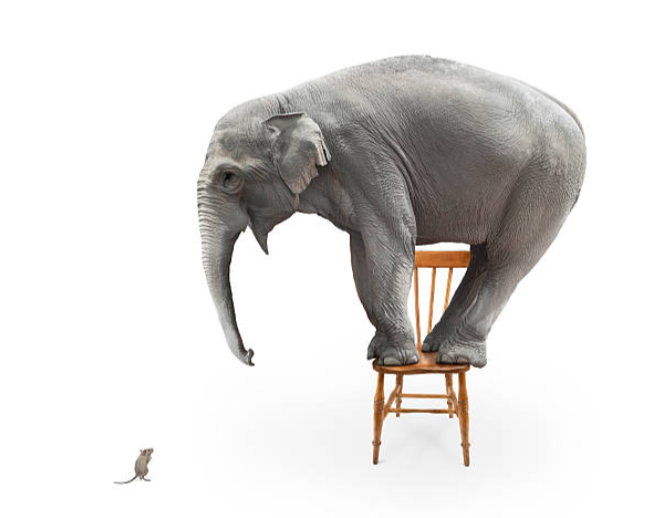
Everyone has at some time experienced a worry, fear, or anxiety, but the experience varies greatly from one person to another. Fears and anxieties have shared features that are recognised by professional therapists. Fears are part of our life experiences but if they become too intense, they may develop into a phobia about something.
A phobia is an extreme or irrational fear or aversion which tends to centre on an object or situation. The experience for the individual is often overwhelming and profound. For example, agoraphobia is a fear of being trapped in a place or situation. The fear usually reflects an anxiety that something terrible will happen if the place of safety is left. It can transfer to loved ones and property.
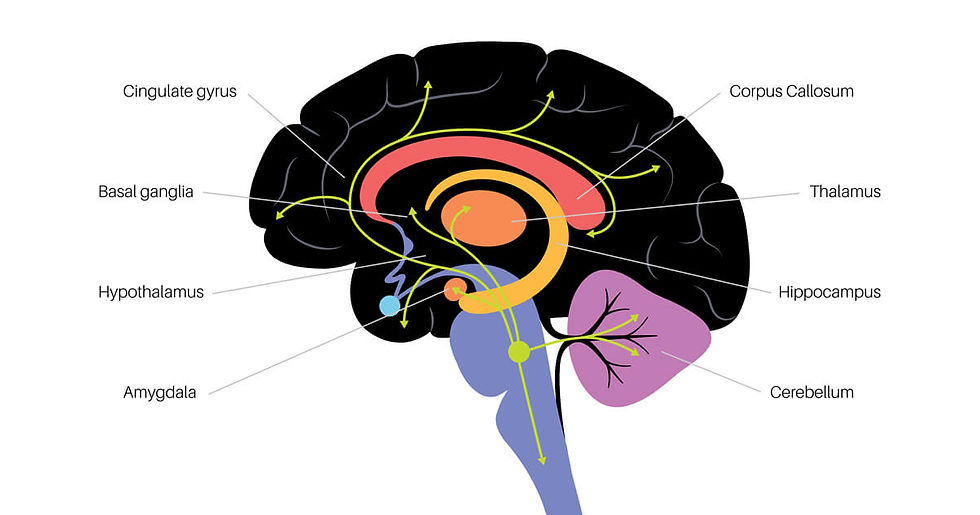
All phobias centre around our natural reaction to fear. The irony is that fear is a natural response in all of us. It keeps us safe by making sure we do not put ourselves in dangerous situations! Fear is a skill we learn to mange as we grow up. Small children are often fearless. However, our nervous system carries messages to and from the brain. A phobia sufferer is continually bombarded with messages that there is something to be frightened of , especially when they are in ‘trigger’ situations. The individual in the grip of a phobia can understand logically that there is no reason for them to fear but their nervous system tells them otherwise. The feelings they experience are very real, distressing and must be dealt with by escape or avoidance. But avoidance only serves to reinforce the fear and does not help the sufferer to overcome the irrational fear of spiders, snakes, heights, dogs or whatever it is. Infact the more the individual escapes or avoids the phobic object or situation the worse it becomes.
Phobias cause our nervous system to trigger a cascade of symptoms which are often alarming and unpleasant if left unchecked. The good news is that Hypnotherapy can help to reduce the symptoms and to develop coping strategies. Simple breathing techniques can slow the breath entering and leaving the body thus calming the nervous system. Calm anchoring can be set up by the Hypnotherapist during a hypnotic trance to relax the client traumatised by a phobia.
Phobias often begin in childhood between the ages of 7 -11 years. Research evidence reveals that 5% of children and 16% of adolescents experience a specific phobia. Also, girls more than boys by a ratio of 2:1.
Phobias can be sorted into categories. The main ones are simple phobia, social phobia, and agoraphobia. Historically, they were classified by the name of the object of fear.
There are more than 400 phobias recorded. Number 1 is the fear of spiders ( 1 in 3 women and 1 in 4 men have this fear!)
Apiphobia – fear of bees
Arachnophobia – fear of spiders
Brontophobia - fear of thunder
Coulrophobia – fear of clowns
Cynophobia – fear of dogs
Emetophobia – fear of vomiting
Haematophobia – fear of blood
Hydrophobia – fear of water
Nomophobia – fear of being without mobile phone coverage(!)
Ophidiophobia – fear of snakes
Ornithophobia – fear of birds.
Somniphobia – fear of falling asleep
Xanthophobia -fear of the colour yellow
The good news is that phobias can be overcome, and you do not have to suffer! Hypnotherapy can help to find the root cause of your and to react to it in a more relaxed and calm way. Phobias are displaced fears and they can be desensitised working with the subconscious mind. Hypnosis uses tools of relaxation; visualisation and it can change the way we think about our fears. Rebuilding self-confidence and finally, facing up to the fear.


Comments